
Turn from Back Country to Dirty South Classics on Rockstar’s GTA VI music preview and the American South changes stations: country on one side, regional rap on the other. Trick and Trina appear together on the rap station, a pairing with roots in Miami’s recording history.
Behind the announced music are stories that reach from Liberty City to Houston and from a Bristol recording studio to the Mexican American borderlands. Some began with a microphone and a record company. Others spread on mixtapes.
Two stations, different Souths

Back Country and Dirty South Classics make room for different Southern traditions in fictional Leonida. Country and rap each deserve more than a passing role as scenery. Their histories include performers building careers, producers developing new sounds and local records finding audiences far from home.
Rockstar presents station previews alongside a separate soundtrack album and score. The announced singles discussed here are album selections, not a confirmed radio playlist. The lineup is international; Justice, the French duo, composed the score.
Listen: Open Rockstar’s official music player and station previews
Trick, Trina and Liberty City

Trick Daddy was born in Miami-Dade County and grew up in Liberty City’s Liberty Square apartment complex after his family moved from Goulds. His breakthrough came on Uncle Luke’s “Scarred.” In 1997, he released his debut album, Based on a True Story; www.Thug.com followed in 1998, carrying “Nann,” featuring Trina. Miami-Dade’s account of his career follows that progression from local beginnings to national prominence.
That is a promising choice for Dirty South Classics. Miami should have its own musical voices in a Florida-inspired world. A station associated with Trick and Trina can acknowledge a city’s rap history in a way that a general label such as “Southern music” cannot. The appeal is in the specific connection: these two performers, that record, this city.
Listen: Preview Dirty South Classics through Rockstar’s music page
Seventy-six songs in Bristol

Morgan Wallen’s announced single “Last Thing You Need” sits at the contemporary end of country’s story. Nearly a century earlier, producer Ralph Peer brought recording equipment to Bristol, on the Tennessee–Virginia border. Between July 25 and August 5, 1927, nineteen performers or groups recorded 76 songs.
The sessions included the first recordings of Jimmie Rodgers and the Carter Family. Peer used a Western Electric electronic microphone, then new technology. The Birthplace of Country Music museum describes the sessions as a turning point in the commercialization of country music. Local musicians could become recording artists, their performances available beyond the place they had sung them.
Broadcasting helped country travel too. WSM began in 1925, and the Grand Ole Opry grew from its programming. In 1932, a new 50,000-watt transmitter expanded the Nashville station’s reach.
Microphones, records and transmitters belong in country’s history alongside the instruments. Its regional character survived being carried across great distances. A country station inside a video game is another setting for that long relationship between local music and modern entertainment.
Listen: Morgan Wallen — Last Thing You Need (official listening links)
Houston changed the speed
Travis Scott’s “RHYNO” brings a performer with Houston ties into the announced soundtrack. The city’s earlier rap history includes a producer who made records move differently.
Robert Earl Davis Jr., better known as DJ Screw, slowed tracks and repeated words and phrases. His tapes showcased local freestylers and circulated through Houston and the South during the 1990s. Lil’ Keke, Fat Pat and Big Moe were among the rappers who got their starts on them. The University of Houston’s exhibition preserves the story of Screw and the loose collective known as the Screwed Up Click.
The university places those tapes within an independent, entrepreneurial scene stretching back to the 1980s. Screw’s contribution was a production method, a means of distribution and a platform for other performers.
There is an American achievement worth celebrating here: a local musical practice becoming distinctive enough to bear its city’s identity. This is Houston’s broader history, rather than a claim that “RHYNO” uses Screw’s methods.
Listen: Travis Scott — RHYNO (official listening links)
Ballads on both sides of the border
Fuerza Regida’s “Suzuki” brings música mexicana into the announced singles. The group combines traditional corridos with hip-hop, Latin and dance influences, as its LA Phil biography describes. Those traditions have histories of their own.
A corrido is a narrative ballad. Its writing and performance can be traced to the early 1800s, with songs sung on both sides of the United States–Mexico border. They carried accounts of oppression, history and daily life, using true and fictional events. Smithsonian Folkways’ collection preserves early recordings from 1928–1937.
That collection includes songs named for Texas, Pennsylvania, Oklahoma and Nogales. A border tradition could tell stories reaching well beyond the boundary itself. The recordings belong to Mexican and Mexican American cultural history together.
An American music feature should make room for that shared inheritance and credit it accurately. Mexico’s part remains Mexico’s; Mexican American music belongs within the country’s own cultural history too. Fuerza Regida’s inclusion gives that history a contemporary connection without making every Spanish-language recording the same kind of music.
Listen: Fuerza Regida — Suzuki (official listening links; explicit)
An international cast in an American setting
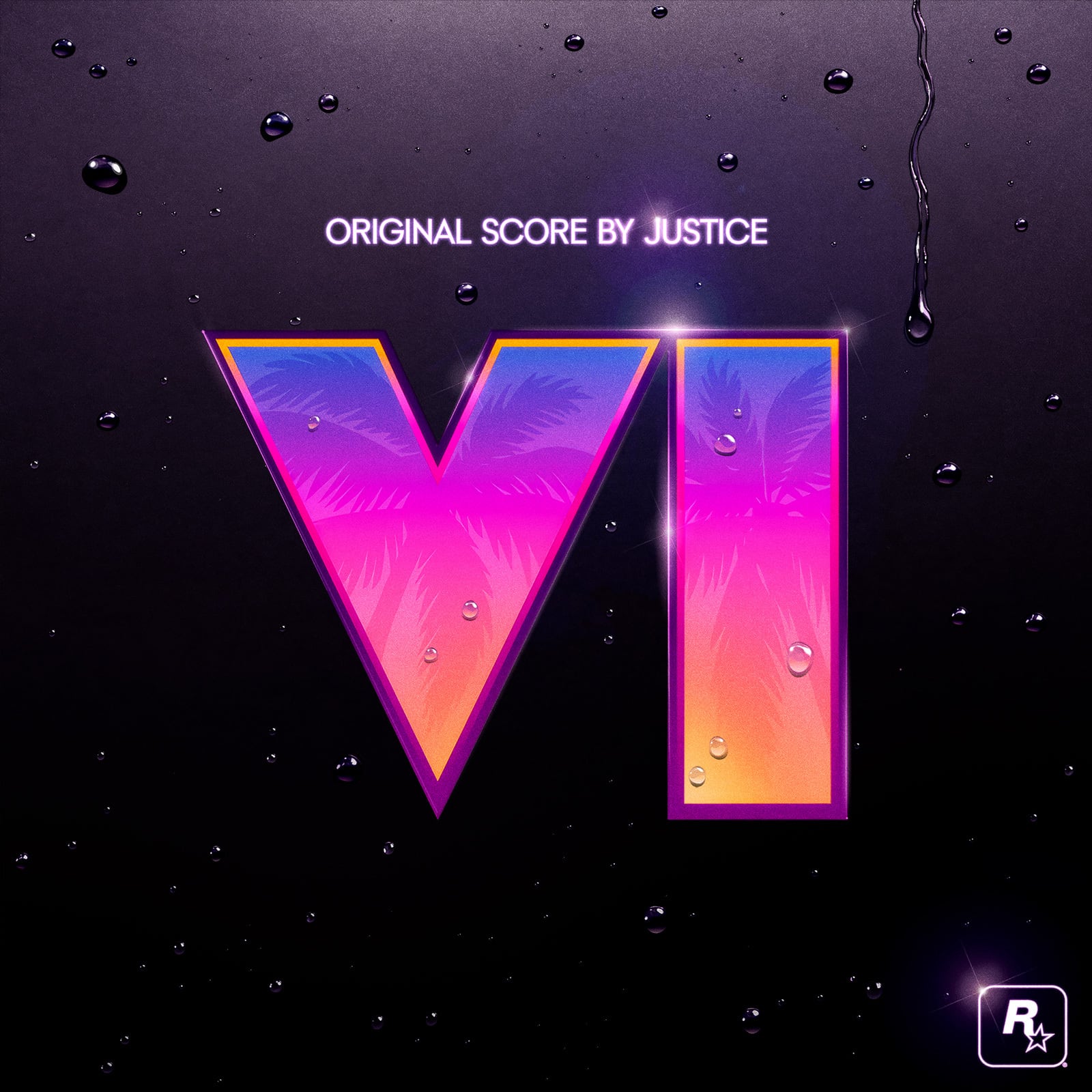
Justice’s “Flower in a Hurricane” names Tame Impala, SZA and King Gizzard & the Lizard Wizard among its collaborators. The announced music’s international cast sits comfortably beside an American setting.
The regional histories are strong enough to stand without a claim that every contributor is American. Bristol’s recording artists, Miami’s rappers, Houston’s producers and the borderlands’ balladeers each have work worth hearing on its own terms. Their differences give the larger story its substance.
Listen: Justice — Flower in a Hurricane (official listening links)
American music has plenty of famous names. The craft behind them deserves attention too: setting up a microphone in Bristol, getting a Houston mixtape into circulation, making a Miami collaboration that outlives its release year. GTA VI’s announced music offers a contemporary occasion to revisit that work. The pride belongs to the people who made it.
GTA VI music artwork and station logos © Rockstar Games. Audio is linked to official listening pages.


